
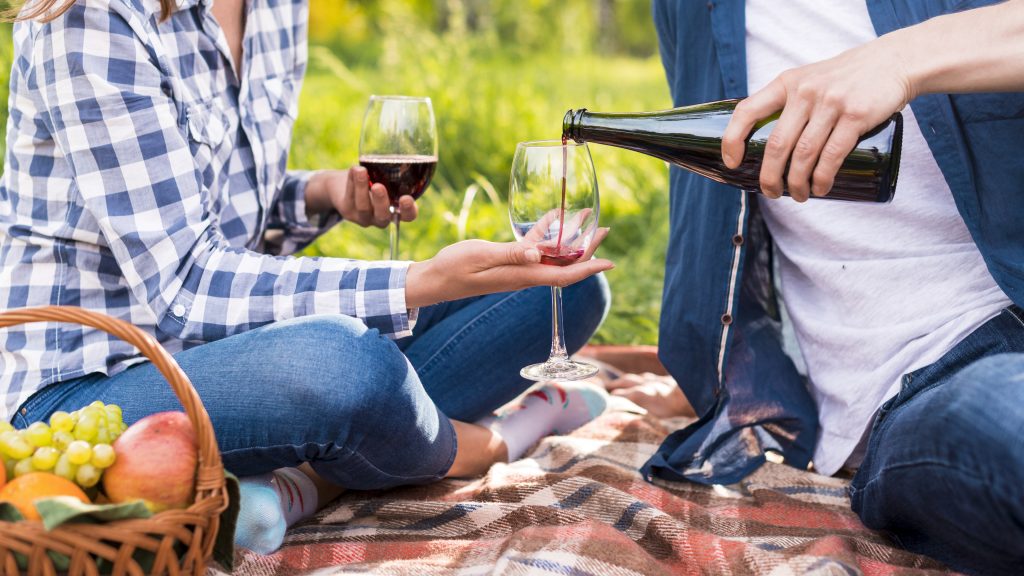
Mallorca smells of salt, but it also smells of wet earth, oak barrels, and grapes ripened under the Mediterranean sun. Although many visitors land thinking only of turquoise coves, they are hugely surprised to discover that the island is a potential oenological giant.
If you are reading this, it’s because you know how to appreciate a good glass of wine and are considering exploring the island’s interior. Great choice! Wine routes in Mallorca are not just a tasting; they are a journey into history, the rural landscape of the “other Mallorca,” and gastronomy that will leave you speechless.
But here arises the great dilemma of wine tourism: How are you going to enjoy five wineries if you have to drive the rental car?
As experts in luxury mobility on the island, we have seen too many tourists “draw lots” to see who doesn’t drink so they can drive, or take risks on unfamiliar secondary roads. In this article, we are going to uncork the bottle of local wisdom to explain where to go, what to taste, and how to organize your route so that your only worry is distinguishing the nuances of a Manto Negro.

The Rebirth of Mallorcan Wine: A Landscape with History
To understand the wine here, you have to look back. Wine in Mallorca is not a hipster trend; Romans were already cultivating vines here 2,000 years ago. Although the phylloxera plague in the 19th century wiped everything out, the last few decades have seen a spectacular renaissance. Today, Mallorcan wine wins international awards and is exported worldwide.
How many wineries are there in Mallorca?
We are often asked if there is enough variety to dedicate a whole day to it. The answer will surprise you: Currently, there are more than 70 active wineries in Mallorca. From historic giants producing millions of bottles to small “garage cellars” making extremely limited signature wines.
This density of wineries makes the island an amusement park for wine lovers. However, they are not all together. They are mainly grouped into two Designations of Origin (DO): Binissalem (in the center) and Pla i Llevant (in the east), in addition to the geographical indication “Vi de la Terra Mallorca,” which allows winemakers more creative freedom.
Key Zones: Designing Your Perfect Route
Mallorca is deceptively large. If you try to cover it all, you will spend the day on the road. The ideal approach is to focus on one zone. Here we break down the best areas based on our experience taking VIP clients to their private tastings.
1. The Heart Route: DO Binissalem
It is the most famous zone and the first to obtain the Designation of Origin (in 1990). The landscape here is spectacular: red earth (the famous call vermell), flat vineyards protected by the Tramuntana Mountains in the background, and charming stone villages like Santa Maria del Camí, Consell, Sencelles, and, of course, Binissalem.
Here you will find historic wineries like José L. Ferrer or Macià Batle, but also gems like Jaume de Puntiró or Vins Nadal. It is the most accessible route from Palma.
2. The East Route: Pla i Llevant
If you are looking for wines with a more saline and experimental touch, head towards Felanitx and Porreres. Here, wineries like Ánima Negra or 4 Kilos have revolutionized the market by valuing indigenous grapes that were previously disregarded.
3. The Tramuntana Mountains: Heroic Wines
In the area of Banyalbufar and Estellencs, the Malvasía grape is grown on terraces that fall into the sea. This is what we call “heroic viticulture” due to the difficulty of the harvest.
Which is the most beautiful area of Mallorca?
If we talk about pure landscape, the Tramuntana Mountains win hands down. Seeing the vineyards hanging on terraces over the Mediterranean is an unforgettable image. However, for a comfortable and complete wine route, the Binissalem and Santa Maria area offers the most authentic and “peasant” rural landscape, with its stone houses and almond trees, which for many has an insuperable rustic beauty.
Indigenous Varieties: What to Order in Your Glass?
Don’t come to Mallorca to order a Rioja or a Cabernet (although there are very good ones). The point here is to taste what only grows on this land.
Manto Negro: The queen of reds in Binissalem. It yields light, aromatic wines with lots of ripe fruit and high alcohol content.
Callet: The star of the east. Elegant, subtle, and mineral wines.
Prensal Blanc (or Moll): White grape that produces fresh wines, ideal for summer.
Malvasía: Aromatic and sweet, typical of the Banyalbufar area.
Which is the best wine from La Palma?
There is usually a common confusion among travelers here. If you are referring to Palma de Mallorca, the capital does not have vineyards within the city (although there are recent urban wineries). If the question refers to the island of La Palma (Canary Islands), its famous wine is volcanic Malvasía. But returning to Mallorca, if you are looking for the best wine near Palma city, we recommend trying the aged reds from the Santa María area, which have enviable body and structure. However, “the best” is subjective: for a hot day, a Prensal Blanc white is unbeatable; for a meat dinner, a Manto Negro blend with Syrah is pure glory.
May be interested in:
Experiences Beyond the Tasting
Wineries have stepped up their game. It is no longer enough to serve a glass and say “cheers.” Now they offer immersive experiences that justify the trip:
The Vineyard Train: At the Macià Batle winery or José L. Ferrer, you can tour the vineyards in a small train, ideal if you are in a group or don’t want to walk in the sun.
Picnics Among Vines: Wineries like Vi Rei (near Llucmajor) offer picnic baskets with local products (sobrasada, Mahon cheese, quelitas crackers) for you to eat between the rows of grapes.
Sunset Tastings: Many boutique wineries, like Can Vidalet in the north (near Pollença), organize tastings when the sun goes down, taking advantage of the island’s magical golden light.
Which is the best winery?
It is impossible to choose just one, but if you are looking for a complete experience, Bodegas Ribas in Consell is a safe bet. It is one of the oldest in Spain (founded in 1711), preserves the historic manor house, and its wines are of sublime elegance. If you prefer something more modern and ecological, Mesquida Mora in Porreres is a fascinating biodynamic project led by women that is setting trends.
Vital Logistics: The Danger of “I’ll Drive”
Here we enter the practical and serious part. Wine tastings in Mallorca are generous. A standard visit usually includes tasting 3 to 5 wines. If you visit two wineries in one morning, you will have drunk the equivalent of almost an entire bottle.
The roads in the interior of Mallorca (Cami de Muro, Sencelles road, etc.) are narrow, with dry stone walls on the sides and, often, with cyclists. Driving under the influence of alcohol is not only illegal and dangerous; it is the fastest way to ruin your vacation.
In addition, breathalyzer checks are frequent at the roundabouts exiting wine areas, especially in high season and on weekends.
The VIP Solution: Your Private Chauffeur
The smart way to do a wine route is by hiring an hourly disposal service. Just as many foresighted travelers book their mallorca airport transfers to ensure a smooth arrival at the hotel without queues or stress, applying this logic to your leisure day is fundamental.
Imagine this plan:
Your chauffeur picks you up at the hotel at 10:00 AM in an air-conditioned Mercedes V-Class.
Takes you to the first winery in Santa María. While you enjoy the tasting, the chauffeur waits, looking after your purchases.
Transfers you to a hidden rural restaurant in Alaró to eat a good “arròs brut” (typical dish) with more wine, without you having to look at the GPS or worry about the blood alcohol level.
Afternoon visit to a second winery or stop in a beautiful village.
Return to the hotel, napping on the rear leather seats.
This is not an expense; it is an investment in safety and enjoyment.
Final Tips for Your Route
To make the experience a 10/10, keep these expert tips in mind:
Always book: Small wineries do not have staff waiting at the door. Call or write in advance.
Watch the schedules: Unlike other areas of Spain, many wineries in Mallorca close on weekend afternoons or Sundays. Saturday morning is the peak time.
Sustainability: Look for wineries that practice organic farming. In Mallorca, due to the climate, it is very common, and respect for the land is noticeable in the final taste of the wine.
No perfume: A technical tip. If you are going to taste, avoid wearing strong perfume, as it will interfere with the aromas of the wine (and those of your tasting companions).
Mallorca awaits you with a full glass. Now that you know the secrets of its vineyards and the importance of moving safely, you just have to choose: Shall we start with a red from Binissalem or a fresh white from the Pla? Cheers!